


Knee replacement is undoubtedly the most transformative procedure of modern orthopedics, enabling the patient to move, be independent, and have an improved quality of life. But behind every successful procedure are the extremely specialized tools. These knee replacement surgery instruments are the hidden heroes that enable the surgeon to operate efficiently, effectively, and confidently.
If you have ever wondered which instruments really do make a difference in knee replacement surgery, this definitive guide will walk you through all that you need to know.
Why Knee Replacement Surgery Instruments Matter
Accuracy is paramount in knee replacement. The slightest misalignment can influence recovery, mobility, and long-term outcome. That's why orthopedic surgeons rely on knee surgery instruments that were designed for accurate measurements, smooth bone cuts, and flawless implant placement.
High-quality knee replacement surgical instruments not only guarantee greater surgical accuracy but also:
• Decrease operating time
• Minimize complications risk
• Improve patient recovery
• Extend the life of implants
Simply put, having the proper tools can separate a decent outcome from a life-altering one.
Types of Knee Replacement Surgery Instruments
All successful knee replacements start with a well-chosen collection of instruments, each of which has a specific purpose in the surgical procedure. Used to cut bone and hold implants in place, these tools complement one another. Take a look at the most crucial ones step by step.
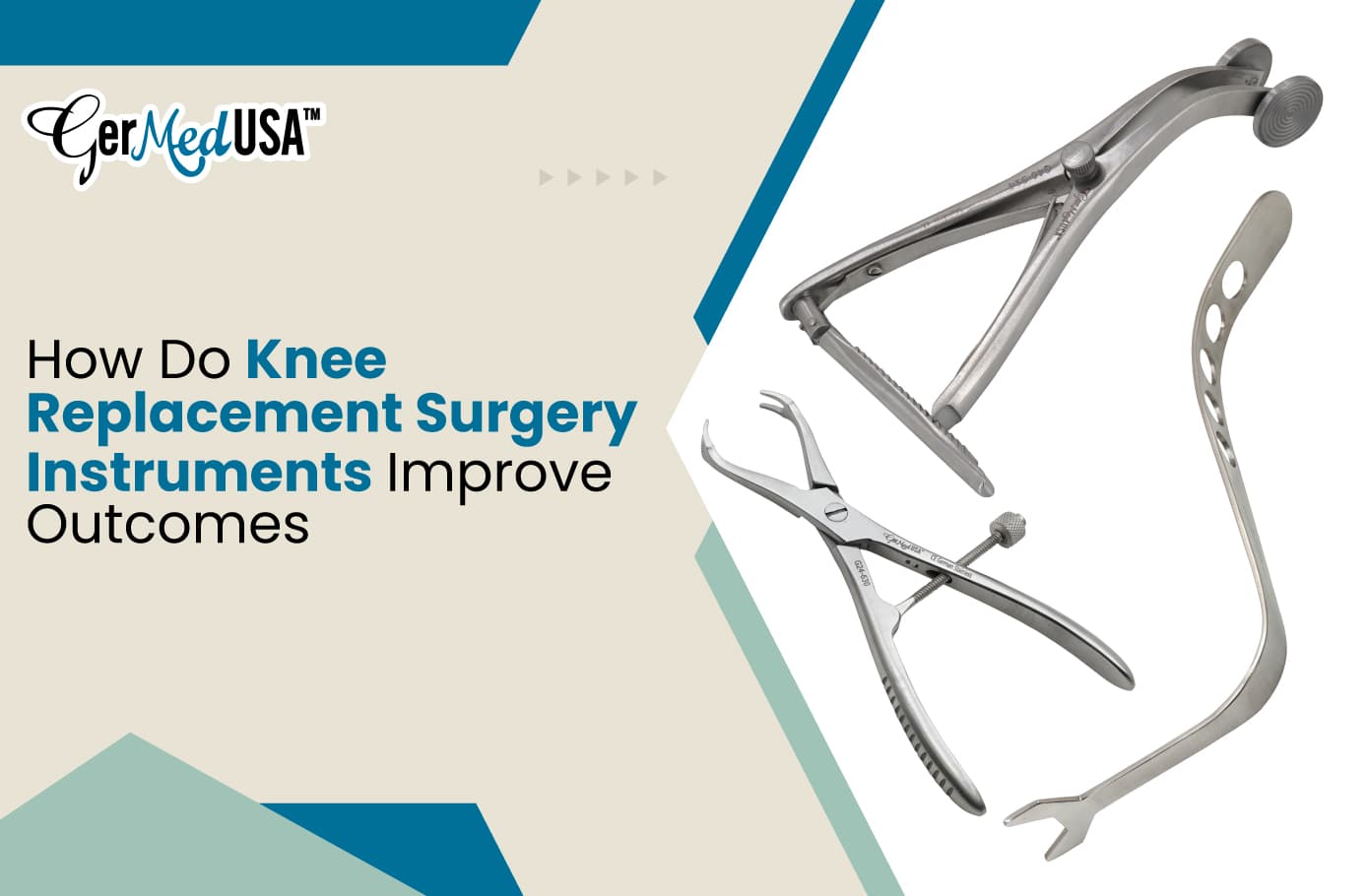
1: Patella Forceps 7" Sharp Teeth 2x2 With Speedlock Max. Opening 48mm
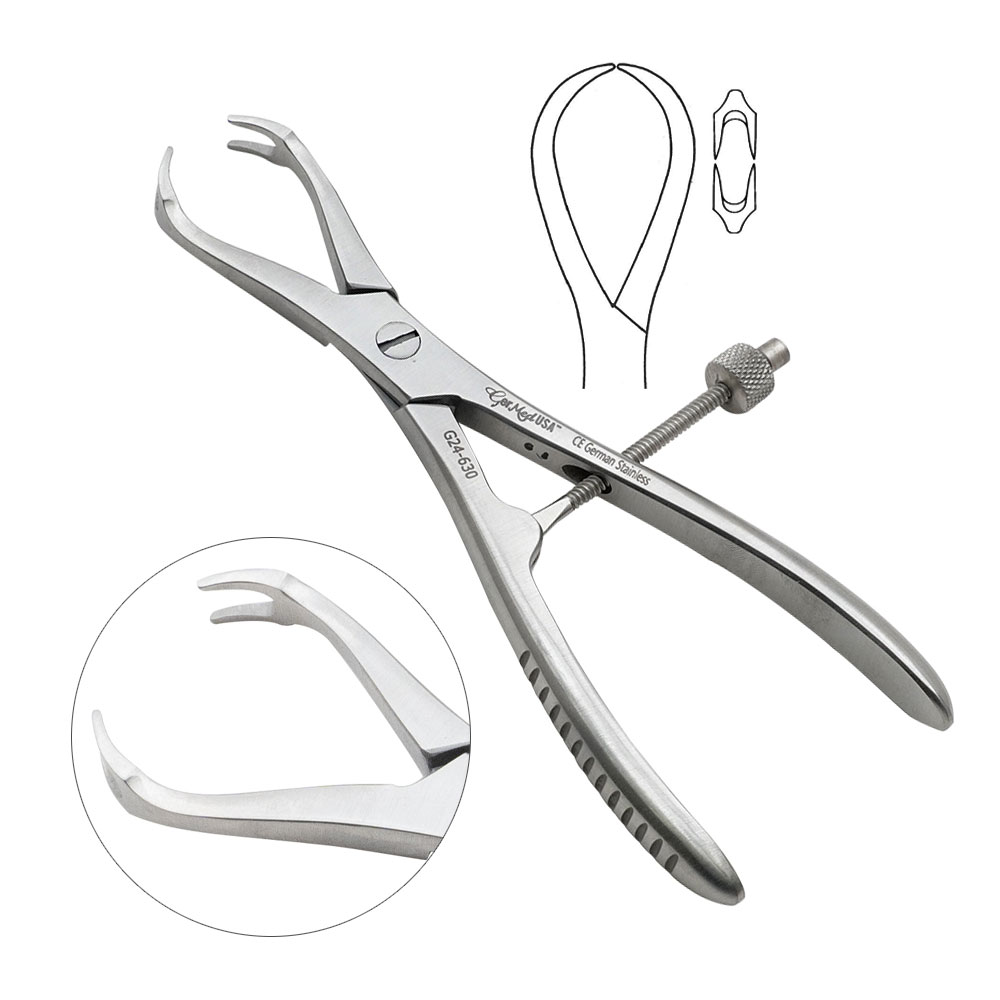
Patella forceps are applied during knee replacement operations. The Round tip of the forceps is best suited for transporting bones of different sizes. The forceps has self-locking technology that ensures the integrity of the bones during reduction operations. The ratchet handles of the instrument provide the best grip without slipping.
The most important features of Patella Forceps are:
• Best suited for bone fragment mobilization
• Made of German stainless steel
• Rust-proof & Durable
• Reusable when sterilized
2: Proximal Tibial TKA Retractor 12" Depth from Bend 5" Blade Width 1.5"
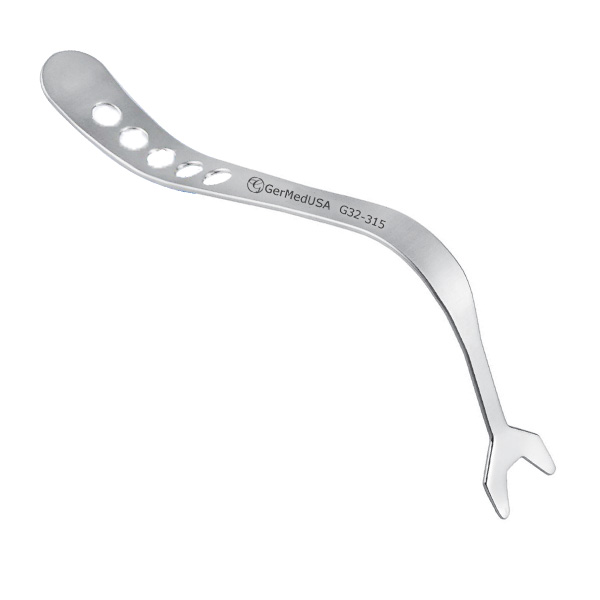
The Proximal Tibial TKA Retractor is intended to obtain a clear view in knee replacement surgery. It is 12" long and features a 1.5" wide blade that retracts soft tissues, laying bare the top shin bone (proximal tibia) for accurate bone cuts and implant placement. It's made of surgical-grade stainless steel.
Proximal Tibial TKA Retractor features the following key points:
• Easy retracting due to the wide blade
• Resistant to corrosion & durable
• Sterilizable and reusable
3: Lateral Fat Pad Retractor for TKR 10" Blade Width 41mm
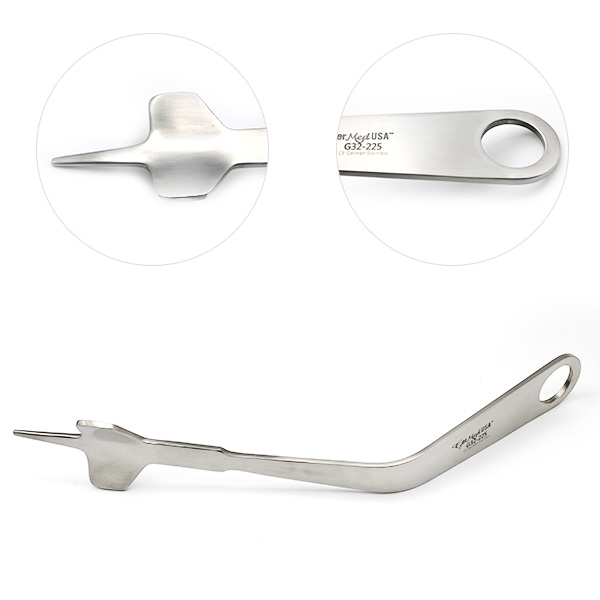
The Lateral Fat Pad Retractor for Total Knee Replacement (TKR) has a unique blade design that helps surgeons to retract soft tissues and the lateral fat pad to properly position the TKR. Made from German Stainless steel, the instrument is perfectly utilized to expose the femur and tibia in knee arthroplasty surgeries.
The following are the main characteristics of the Lateral Fat Pad Retractor:
• Ideal for evaluating hard-to-reach tissues
• Ergonomic structure provides minimal hand fatigue
• Durable construction provides longevity
4: Femoral Tibial Spreaders
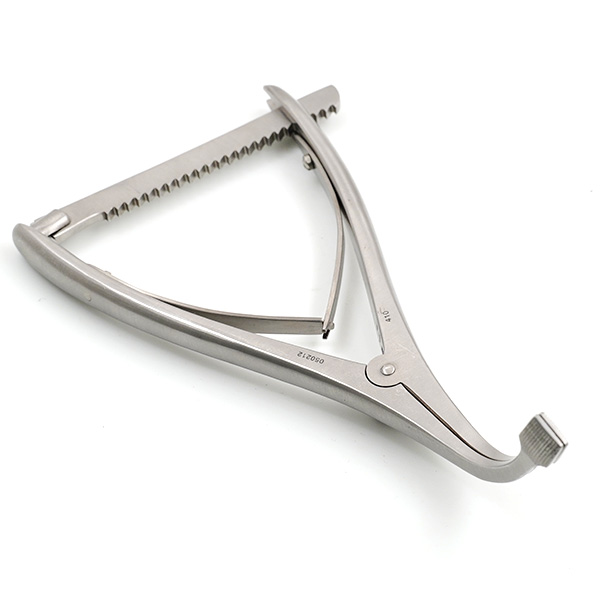
Femoral-Tibial Spreader is a custom-made instrument that is employed by surgeons to separate the femur and tibia in the process of total knee surgeries. Tibial Spreader has a spring mechanism in the handles that makes the instrument even safer in total knee surgeries involving splitting up the femur and the tibia.
The lock mechanism makes it possible to use the spreader to open the jaws as much as needed.
The following are the salient features of Femoral Tibial Spreaders:
• Made of German stainless steel
• Ergonomically designed for atraumatic surgical procedures
• Available in various sizes, variations, and patterns
5: Mini Mallet
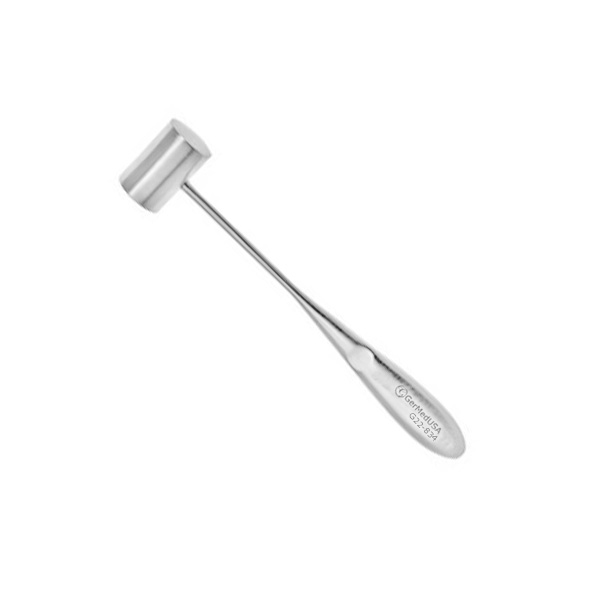
The Mini mallet is widely used in various surgeries and is available in several variations. It can be reused once steam-sterilized. Mini mallets are highly versatile instruments used in multiple surgeries.
This tool has a special structure to help in orthopedic operations. In addition, it has a convex head, a long handle, and a strong body that can resist changes in the environment. It is a low-maintenance German stainless steel instrument with a high tensile strength.
The following are the main characteristics of Mini Mallet:
• Uniquely designed structure and ergonomic
• Best for orthopedic surgical procedures
• Lightweight & strong
• Autoclavable
Knee Replacement Surgical Instruments That Enhance Precision
Over time, instruments applied during total knee replacement surgery have significantly evolved. Numerous now utilize sophisticated technologies, including:
• Computer-assisted navigation systems for better alignment
• Patient-specific instrumentation (PSI) tailored to unique anatomy
• Minimally invasive instruments that minimize incision size and expedite recovery
These developments bring to the fore how instruments applied during knee replacement surgery are no longer merely tools: they are central to the improvement of surgical care.
How to Select the Best Knee Replacement Surgical Instruments
Surgeons and facilities normally assess instruments by:
• Precision: Do the instruments permit precise cutting and measurement?
• Durability: Are they made of surgical-grade stainless steel or advanced materials?
• Ergonomics: Do they decrease surgeon tiredness during long procedures?
• Sterilization compatibility: Do they handle repeated autoclaving?
• Comprehensiveness: Does the set encompass all the necessary instruments for total knee replacement?
The top tools employed for knee replacement surgery balance these characteristics, providing consistency in each procedure.
Final Thoughts!
In matters of orthopedic distinction, proper tools are as valuable as surgical skill. GerMedUSA is honored to offer surgeons the finest knee replacement surgery instruments. These tools are finely engineered, long-lasting, and crafted to aid life-altering procedures.
With decades of experience, unwavering quality, and dedication to innovation, GerMedUSA guarantees each instrument provides reliability where most needed. For clinics, hospitals, and surgeons who demand the best knee replacement and other surgical instruments, GerMedUSA is the reliable partner in changing lives.
FAQs
1. What are the most frequently applied instruments during knee replacement surgery?
The most prevalent are bone saws, alignment guides, retractors, trial implants, and cementing instruments: all indispensable for precise implant positioning.
2. Are total knee replacement instrument sets standardized?
Most of them are, but they can be slightly different depending on the producer or the surgeon's preference for technique.
3. How do advanced technologies enhance knee instruments?
Technologies like computer navigation and patient-specific guides increase surgical precision, reduce errors, and enhance patients' recovery.
4. How frequently are knee surgery instruments replaced?
With optimum maintenance, knee surgery instruments can be used for many years. Nevertheless, hospitals constantly examine, sterilize, and replace wear-stressed instruments.
5. Where do surgeons obtain reliable knee replacement surgical instruments?
Reliable surgical companies such as GerMedUSA offer top-quality, U.S.-made knee instruments that are made to adhere to the highest level of orthopedic surgery.